Healthy Habits Every Competitive Gamer Should Follow
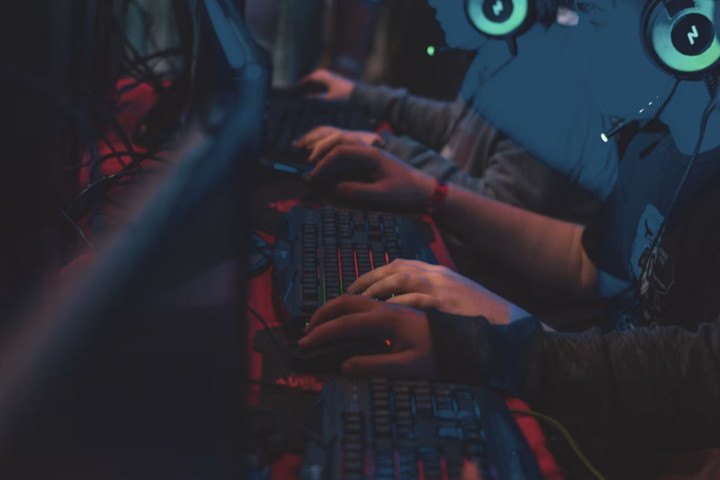
Here's a stat that should grab your attention: a single night of poor sleep can slow your reaction time by roughly 50 milliseconds. That doesn't sound like much-until you realize competitive reaction windows in most shooters sit around 150–200 ms. You just lost a quarter of your edge before you even loaded in.
Competitive gaming in 2025 isn't just about grinding ranked queues until 4 AM anymore. With nearly 3.6 billion gamers worldwide and esports organizations hiring sports psychologists, nutritionists, and physical trainers, health has quietly become a legitimate performance variable.
The players who figure this out early win more. The ones who don't burn out, develop chronic pain, and wonder where their rank went.
So let's break down the habits that actually move the needle.
Sleep Is Your Biggest Competitive Advantage
Most gamers treat sleep like a suggestion. That's a mistake backed by hard data.
Research shows that restricting sleep to six hours a night for just two weeks creates cognitive deficits equivalent to pulling one or two all-nighters. The scary part? Participants consistently underestimated how impaired they were. You think you're fine. Your reaction time says otherwise.
The fix isn't complicated, but it requires discipline:
- Aim for 7-9 hours nightly. Eight tends to be the sweet spot for most adults.
- Lock in consistent bed and wake times - even on weekends. Your circadian rhythm doesn't care that it's Saturday.
- Cut screens 30-60 minutes before bed. Yes, that means no "one more game". Blue light suppresses melatonin and delays sleep onset, which is exactly why apps like f.lux and built-in night modes exist.
- Consider short power naps (10–20 minutes) before competition to boost alertness without the grogginess of longer naps.
Cloud9 and Team Liquid don't schedule late-night scrims by accident. Their players have fixed sleep windows because the organizations understand that tired players make bad calls.
Your Body Isn't Optional Equipment
Studies consistently report that 42–60% of competitive gamers experience musculoskeletal pain. Back, neck, wrists, shoulders-pick your poison. And injury risk climbs with weekly practice volume, which means the harder you grind, the more this matters.
Get Your Setup Right
Before you spend another dollar on peripherals, spend five minutes on ergonomics. Feet flat on the floor. Hips and knees at roughly 90 degrees. Monitor at eye level. Wrists neutral-not bent upward like you're conducting an orchestra.
Mayo Clinic's sports medicine team specifically flags upper extremity pain from repetitive mouse and keyboard movements as one of the most common esports injuries. A bad wrist angle isn't just uncomfortable. Over months, it becomes a career problem.
Stretch Like You Mean It
Every 2–3 games-or roughly every 15–20 minutes-stand up and move. This isn't optional wellness fluff. It's injury prevention.
Focus on wrist flexor and extensor stretches (hold gently for 15–30 seconds), neck rotations, shoulder rolls, and finger mobility work. Think of it as a warm-up for your next match, not a break from gaming.
Actually Exercise
The WHO recommends at least 150 minutes of moderate physical activity per week. Most competitive gamers fall well short of that number. Cloud9 schedules mandatory one-hour workouts on scrim days-Tuesday through Thursday-plus a shorter Friday session. That's over three hours of structured physical training weekly, built into a professional esports schedule.
Regular aerobic and strength training improves cognitive function, reaction time, and fatigue resistance. Translation: you'll play better in hour six of your session than someone who skipped the gym entirely.
Fuel the Machine Properly
A 2025 scoping review on esports nutrition found exactly what you'd expect: many competitive players eat poorly. Lots of fast food, irregular meals, and energy drinks substituting for actual nutrition.
The brain burns glucose like crazy during intense focus. Feed it garbage, and you'll feel it-sluggish decision-making, inconsistent aim, and that familiar afternoon crash that tanks your performance.
What works: balanced meals combining complex carbohydrates (whole grains, sweet potatoes), lean protein, and healthy fats. Omega-3s from fish or walnuts, antioxidants from berries and leafy greens, and B vitamins all support sustained cognitive function.
What doesn't: slamming two energy drinks before a tournament. Caffeine can genuinely improve alertness at moderate doses-around 200 mg, or a strong coffee-but stacking cans easily pushes past the 400 mg daily ceiling that health authorities consider safe. The result is nervousness, potential heart rhythm issues, and wrecked sleep that compounds over days.
And drink water. Even mild dehydration impairs attention and mood. Energy drinks are not hydration-they're stimulants with a side of sugar.
Practice Smarter, Not Just Longer
There's a massive difference between playing for eight hours and practicing for eight hours.
Pro players at organizations like Team Liquid structure their days around deliberate practice: defined scrim blocks, followed by VOD review and strategy meetings, with specific skills targeted in each session. The goal isn't just accumulating hours. It's focused improvement with immediate feedback and reflection.
For most competitive players who aren't salaried pros, shorter and more intentional sessions beat marathon grinding. Something like 25–50 minutes of focused play followed by a 5–10 minute movement break keeps quality high without the diminishing returns that set in after hour four of autopilot ranked games.
Competitive players looking to bring more structure to their training can use platforms like Battlelog.co to organize practice sessions, track performance data, and build training blocks that mirror the deliberate practice models used by professional teams.
VOD review is another high-value, low-strain activity-but it still adds screen time. Consider watching replays on a smaller window with lower brightness, taking handwritten notes, and discussing takeaways away from your monitor.
Build a Routine That Actually Sticks
The players who sustain competitive careers aren't the ones with the most talent. They're the ones with the most consistency.
A realistic daily structure for a serious competitive gamer might look something like this:
- Morning: Wake at a consistent time. Non-gaming tasks, light exercise, or a gym session. A proper breakfast-not leftover pizza.
- Midday: Focused practice block (2–3 hours) with breaks every 20–25 minutes.
- Afternoon: VOD review, strategy study, or a second practice block. Meal break with real food.
- Evening: Team scrims or ranked play. Wind down at least an hour before bed-stretch, dim the lights, put the screens away.
This isn't about turning your life into a spreadsheet. It's about removing the chaos that quietly erodes your performance over weeks and months.
Watch for the Warning Signs
Burnout sneaks up. If gaming stops feeling fun and starts feeling like obligation, if you're irritable after sessions, if your motivation has flatlined-those are signals, not character flaws.
Healthy boundaries matter. Schedule game-free time. Maintain hobbies outside gaming. Stay connected with people offline. The competitive players who last aren't the ones who sacrifice everything for rank. They're the ones who protect the life around the game.
The Bottom Line
None of this is revolutionary. Sleep enough. Eat properly. Move your body. Take breaks. Practice with intention.
But the gap between knowing these things and actually doing them is where competitive edges live. The players who treat their health as a performance system-not an afterthought-consistently outperform those who don't.
Start with one habit. Lock it in. Then add another. Your rank will thank you, and so will your body ten years from now.